
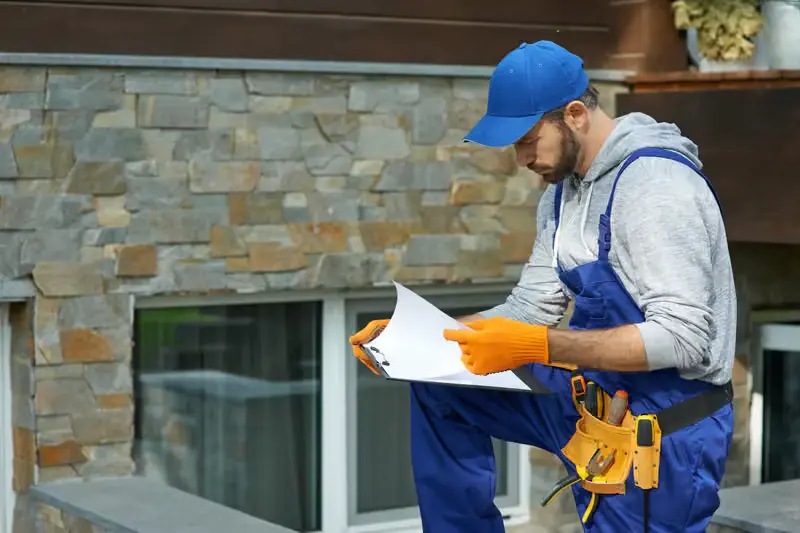

An exterior renovation is more than an opportunity to refresh a property’s appearance. It is a chance to strengthen the parts of a home that protect it from weather, moisture, temperature changes, and everyday wear. New colors, attractive siding, and modern doors can improve curb appeal, but these features will not deliver lasting value if the underlying structure has problems. A successful exterior home renovation begins with understanding the property’s current condition and identifying which improvements matter most. Homeowners should consider structural stability, roofing, drainage, windows, doors, material performance, and energy efficiency before making decorative decisions. A clear plan also helps control costs and reduces the risk of completing work that later needs to be removed or replaced. By prioritizing essential exterior elements, homeowners can create a property that looks better, performs more reliably, and remains easier to maintain.
Start with the Parts of the Exterior That Protect the Home
The first priority should be the building’s protective envelope. This includes the roof, exterior walls, foundation, windows, doors, and the connections between these components. Together, these features prevent rain, wind, pests, and outside air from entering the living space. If one part fails, it can affect several others. For example, damaged roof flashing may allow water to enter a wall cavity. That moisture can eventually damage insulation, timber, plaster, and interior finishes. Replacing decorative siding without identifying the original leak would only hide the problem temporarily. Homeowners should therefore arrange a careful inspection before choosing finishes or planning cosmetic improvements. Look for peeling paint, staining, soft materials, loose cladding, unusual cracks, and signs of repeated repairs. Some defects are visible, while others require professional investigation. A building inspector or qualified contractor can help determine whether damage is cosmetic or structural. This assessment creates a reliable starting point for the renovation budget and work schedule.
Examine Roof Condition and Drainage Performance
A roof is one of the most important protective elements of any home. It faces direct exposure to sunlight, rain, wind, and seasonal temperature changes. Even a small defect can lead to expensive internal damage if it remains unnoticed. During an inspection, homeowners should check for missing or damaged shingles, cracked tiles, deteriorated flashing, sagging areas, and signs of water penetration. Roof valleys, chimneys, vents, and other junctions deserve particular attention because they can become weak points. The drainage system is equally important. Gutters should collect rainwater efficiently, while downspouts should carry it away from the building. Blockages, loose connections, and incorrect slopes can cause water to overflow onto walls or collect near the foundation. Repairs should address the complete drainage route rather than only the visible gutter problem. If the roof is nearing the end of its service life, replacement may be more practical than repeated patching. Homeowners should compare the expected lifespan, installation quality, ventilation requirements, and maintenance needs of available roofing systems before making a decision.
Review Exterior Walls, Foundations, and Visible Damage
Exterior walls provide structural support and protect indoor spaces from environmental conditions. Their condition should be evaluated before new cladding, paint, or decorative finishes are installed. Check for cracks, loose masonry, deteriorating mortar, damaged joints, rust stains, and areas where siding has separated from the structure. Small surface cracks may result from normal material movement, but widening or recurring cracks can indicate a more serious issue. Foundation edges also need attention. Look for persistent dampness, flaking surfaces, gaps, and unusual changes around the building. Water should not collect against foundation walls. Where significant movement, structural cracking, or repeated moisture damage appears, a qualified professional should investigate the cause. Covering these problems with fresh finishes can make future repairs more complicated. A durable renovation addresses the source of damage before restoring the visible surface.
Improve Windows and Doors for Comfort and Security
Windows and exterior doors influence much more than a property’s appearance. They affect indoor temperature, ventilation, natural light, noise control, and security. Older units may have worn seals, damaged frames, loose hinges, or gaps that allow outside air and moisture to enter. These problems can make rooms uncomfortable and increase heating or cooling demands. Homeowners should inspect frames, glazing, locks, thresholds, and the condition of surrounding wall materials. Condensation between glass panes may indicate that a sealed glazing unit has failed. Drafts around a frame may require new weatherstripping, adjustments, or more extensive repairs. Full replacement is not always necessary. If the existing frames are sound, targeted improvements may provide better value. However, severely damaged or poorly performing units may justify replacement. When selecting new windows and doors, consider insulation performance, appropriate glazing, frame durability, security features, and ease of maintenance. Installation quality is essential. Even an efficient product can perform poorly if the opening is not properly sealed, flashed, and insulated. The design should also suit the home’s architecture so that functional improvements do not create an inconsistent exterior appearance.
Choose Exterior Materials That Match Long-Term Needs
Material selection should be guided by performance rather than appearance alone. The right exterior finish must suit the local climate, the building’s structure, the homeowner’s maintenance capacity, and the available budget. Brick and stone can offer durability and a distinctive appearance, but their installation and repair requirements differ. Fiber cement siding can provide a practical balance of design flexibility and resistance to many common exterior conditions. Vinyl siding may require less routine painting, while wood offers a natural appearance but usually needs more regular protection. No material is ideal for every property. A product that performs well in a dry climate may require additional protection in an area exposed to frequent rain or humidity. Homeowners should review manufacturer specifications, installation requirements, expected service life, and warranty conditions. They should also consider how new materials will connect with existing roof edges, windows, foundations, and wall systems. Poorly planned transitions can create water entry points even when individual products are high quality. The goal is to create a compatible exterior system rather than select attractive materials independently.
Evaluate Maintenance Requirements Before Making Choices
The purchase price of a material does not represent its complete cost. Long-term maintenance can significantly affect the value of an exterior renovation. Wood may need periodic painting, staining, or sealing. Some masonry surfaces require mortar repairs and careful moisture management. Metal components may need inspection for corrosion, while certain siding products require cleaning and occasional joint repairs. Homeowners should estimate the time and expense associated with these tasks before committing to a finish. Consider access as well. A material that requires frequent maintenance at a difficult roofline or upper wall may become expensive to care for. Ask contractors how the selected product should be cleaned, inspected, repaired, and protected. It is also useful to confirm whether replacement parts and matching finishes will remain available. A slightly more expensive material may offer better long-term value if it lasts longer and requires less intervention.
Make Water Management and Site Protection Essential Priorities
Water management deserves attention throughout the renovation because moisture can damage several exterior components at once. Poor grading may direct rainwater toward the foundation. Blocked drainage channels can create standing water. Incorrectly installed flashing may allow moisture behind siding or around windows. These issues are not always obvious during dry weather, so homeowners should consider how the property behaves during heavy rainfall. Examine the slope of the ground around the building. Where practical, the surface should direct water away from foundation walls rather than toward them. Downspout outlets should release water at suitable locations, and drainage systems should remain clear. Retaining walls, paved areas, garden beds, and outdoor structures may also influence water movement. Their position and design should be considered as part of the overall plan. During renovation, protect exposed areas from rain and avoid leaving unfinished openings without suitable temporary coverings. Contractors should also manage construction waste and prevent debris from blocking drains. These precautions help protect both the building and the surrounding landscape while work is underway. Effective water control is not simply a finishing detail. It is a central part of exterior durability.
Address Energy Performance and Outdoor Comfort
An exterior renovation can improve energy performance when insulation, air sealing, glazing, roofing, and shading are planned together. Poorly insulated walls and roofs can allow unwanted heat transfer. Gaps around windows and doors can increase drafts and make indoor temperatures harder to control. Before investing in individual upgrades, homeowners should identify where the property loses energy. An energy assessment can help reveal weaknesses and prevent spending money on improvements that have limited impact. Roof insulation, suitable exterior wall systems, efficient windows, and well-sealed doors may all contribute to better performance. Shading is another useful consideration. Awnings, covered entrances, strategically placed trees, and suitable exterior screens can reduce direct solar exposure. Roof color and material can also influence heat absorption, although performance depends on the complete roofing system and local conditions. Ventilation must not be overlooked. Sealing a building without considering moisture removal can create condensation problems. Any insulation or air-sealing work should therefore account for ventilation, existing moisture conditions, and the structure’s ability to manage water vapor. The best approach is to evaluate the exterior as one connected system. This helps prevent one improvement from creating a new problem elsewhere.
Plan the Renovation Around Budget, Sequence, and Professional Input
A clear sequence makes exterior renovation more efficient. Work should generally begin with investigation and urgent repairs, followed by protective upgrades, major material installation, and final decorative improvements. For example, repairing roof leaks before repainting exterior walls prevents the need to repeat finishing work. Similarly, drainage improvements should be completed before final landscaping. Homeowners should request estimates that explain the scope of work, materials, labor, preparation, disposal, and any additional charges. A low initial quotation may exclude important tasks such as replacing damaged sheathing or repairing hidden moisture problems. Ask contractors how they handle unexpected defects and how changes to the original scope will be approved. A contingency allowance is useful because opening exterior surfaces can reveal damage that was not visible during the initial inspection. The exact amount depends on the property’s age, condition, and project complexity. Permits and local building requirements should also be checked before work begins. Qualified professionals can identify technical risks, recommend suitable systems, and coordinate different trades. Written agreements should clarify payment stages, project responsibilities, expected completion dates, warranties, and cleanup arrangements. Regular site inspections help confirm that materials are installed according to specifications. Taking photographs before, during, and after construction can also provide a useful record of concealed components and completed work.
Avoid Decisions That Weaken the Overall Renovation
Several common mistakes can reduce the quality of an otherwise promising project. One is prioritizing curb appeal while ignoring structural defects. Fresh paint or new siding cannot correct a leaking roof, damaged wall framing, or poor drainage. Another mistake is selecting materials based only on the lowest price. Lower upfront costs may lead to more frequent repairs, early replacement, or additional maintenance. Homeowners should also avoid mixing products without checking whether they are compatible. Different materials expand, contract, absorb moisture, and require support in different ways. Incorrect connections can create gaps and water entry points. Rushed installation is another concern. Even durable products can fail when installers ignore preparation, fastening patterns, flashing details, or manufacturer instructions. It is important to allow enough time for inspections and suitable weather conditions. Finally, avoid changing the project scope repeatedly without reviewing the cost and schedule impact. A structured plan helps homeowners distinguish essential repairs from optional upgrades. It also makes it easier to evaluate contractor recommendations and resist unnecessary additions.
Conclusion
A successful exterior home renovation should improve the property’s appearance while strengthening the systems that protect it. Homeowners should begin with the roof, drainage, walls, and foundation before moving toward windows, doors, finishes, and decorative features. Material choices should reflect local weather conditions, maintenance expectations, and long-term costs. Energy improvements should be planned as part of the complete exterior system, with careful attention to ventilation and moisture control. A realistic budget, suitable work sequence, and qualified professional support can further reduce risks. By addressing essential needs before cosmetic details, homeowners can make more confident decisions and avoid expensive rework. The result is an exterior that offers lasting protection, better comfort, stronger performance, and a more attractive appearance.