
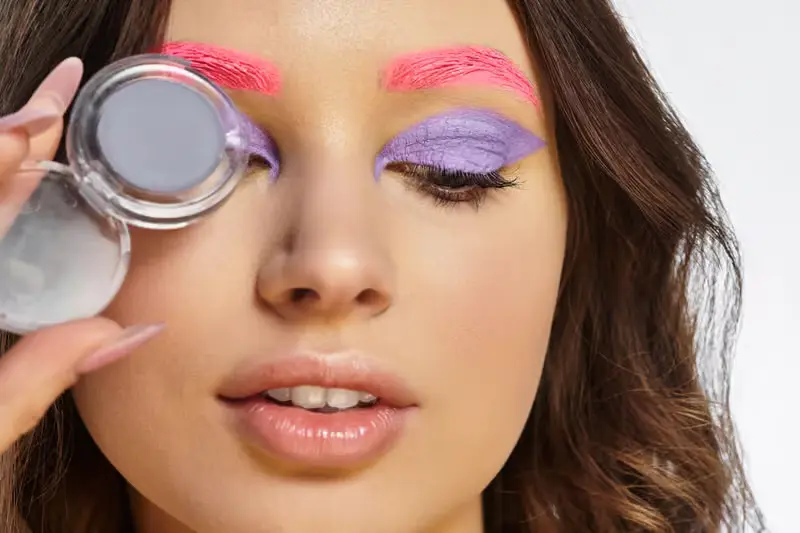

High impact makeup is an expressive approach to beauty that uses bold pigments, dramatic textures, and carefully designed details to create memorable visual results. It appears in fashion editorials, runway presentations, theatrical productions, concerts, and creative photography. Unlike everyday makeup, these looks often need to communicate a clear artistic idea while remaining visible under specific lighting and viewing conditions. Achieving that result requires more than choosing bright colors or applying several layers of product. Makeup artists must understand facial structure, color relationships, product compatibility, skin preparation, and the environment in which the makeup will be seen. Every decision contributes to the final effect. A metallic eye, graphic liner, saturated lip, or sculpted complexion should support the overall concept rather than compete with it. When artistic direction and technical execution work together, bold makeup becomes a controlled form of visual storytelling.
Understanding the Visual Language of Dramatic Makeup
High impact makeup communicates through contrast, shape, color, and texture. Artists use these elements to create a particular mood or direct attention toward specific facial features. A sharply defined eye can suggest strength or intensity, while reflective pigments can introduce a futuristic or glamorous quality. Unusual color placement may create an experimental editorial effect. The goal is to make each visual choice meaningful.
The difference between dramatic makeup and ordinary beauty application often lies in the level of intention. Everyday makeup generally aims to complement natural features and suit daily environments. Editorial and stage cosmetics may deliberately exaggerate those features to create a stronger impression. A contour line might become more pronounced, an eyeliner shape may extend beyond the natural eye, or a lip color may use an unexpected finish.
Visual balance remains important. If the eyes contain intense metallic pigments and graphic details, the complexion and lips may need a more restrained treatment. Alternatively, a concept built around bold lips can use simpler eye makeup to maintain a clear focal point. Artists should consider the complete face rather than evaluating individual features separately. This approach creates a coherent look that supports the intended message.
Editorial Makeup as a Form of Creative Storytelling
Editorial makeup is designed to work within a wider visual concept. It appears in fashion photography, beauty campaigns, magazine features, and creative productions. The makeup must complement clothing, accessories, hairstyles, lighting, and photographic composition. A technically impressive look may still fail if it does not support the creative direction.
Develop a Concept Before Selecting Products
A strong editorial look begins with a clear idea. Makeup artists should review the creative brief and identify the mood, references, and visual message. A mood board can help organize colors, textures, shapes, and stylistic influences. References should guide the process without encouraging exact imitation.
The next step is translating the concept into practical decisions. A futuristic theme might involve silver pigments, reflective finishes, and geometric liner. A romantic concept could use soft gradients with an unexpected saturated accent. A dramatic fashion story might require exaggerated brows or unconventional lip shapes.
Artists should also consider the camera’s perspective. Details that appear balanced in a mirror may look different through a close-up lens. Makeup placement should therefore reflect the framing and composition of the planned images.
Experiment With Unconventional Finishes
Editorial work allows greater freedom with texture and placement. Artists can combine glossy surfaces, metallic accents, graphic lines, and unusual color combinations. These details can create visual interest without relying entirely on strong pigment.
However, experimentation needs structure. Each unusual element should contribute to the central concept. Applying several competing effects can make the face look visually crowded. A better strategy is to choose one dominant feature and use supporting details to strengthen it. This creates a distinctive result while preserving clarity.
Master Pigment Selection and Color Intensity
Pigment selection determines how strongly a color appears on the skin. Highly pigmented products can deliver intense coverage with relatively little product, while buildable formulas allow gradual control. Sheer products create softer effects and can work well for blending or layering.
Artists should evaluate more than the color shown in product packaging. Undertones, skin preparation, application tools, and surrounding shades can change the final appearance. A red pigment, for example, may look warmer or cooler depending on its undertone and the complexion beneath it. The same shade can also appear different when applied over a light base or a deeper complexion.
Color theory provides a useful framework. Complementary colors create strong contrast, while analogous shades produce smoother transitions. Monochromatic combinations can create depth through variations in brightness and finish. Artists should select a palette according to the intended mood and visual environment.
Testing is essential before a major shoot or performance. A small swatch can reveal how a pigment behaves on the skin, whether it blends evenly, and how its color changes under lighting. Testing also helps identify products that may become patchy or lose intensity during wear. For professional work, recording successful product combinations can save time and improve consistency.
Create Dimension Through Strategic Pigment Layering
Pigment layering helps artists control intensity and build complex finishes. It involves applying products in planned stages rather than placing a large amount of color on the skin at once. This approach improves precision and allows adjustments before the look becomes too heavy.
Build Color Without Creating Texture
A smooth result starts with suitable skin preparation. The base should provide an even surface without feeling excessively oily or dry. Primer selection should reflect the complexion product and the desired finish. Some formulas work better together than others, so compatibility testing can prevent separation or uneven texture.
Artists should apply pigments in thin layers. A small amount can be blended first, followed by additional product where stronger coverage is required. This method offers greater control than applying a thick layer immediately. It also makes it easier to correct mistakes without disturbing the entire design.
Different application tools produce different results. Brushes can offer precision and controlled blending, while sponges can soften edges and distribute certain products evenly. Fingers may help warm and press some cream formulas into the skin. The correct choice depends on the product and the intended effect.
Combine Textures for Greater Visual Depth
Matte, satin, shimmer, metallic, and glossy finishes can create dimension when used strategically. A matte base may make a reflective accent appear more intense. A metallic pigment can draw attention to a specific area, while a glossy finish can create a wet-look effect.
Texture placement should follow the structure of the design. For example, reflective products may work well on the center of an eyelid, while matte shades help define the surrounding shape. Combining incompatible formulas without testing can cause separation, creasing, or patchiness. Artists should also avoid excessive product buildup, particularly around areas that move frequently.
Stage Cosmetics: Designing Makeup for Distance and Lighting
Stage makeup has different priorities from everyday or close-up editorial work. Performers are often viewed from a distance, and their expressions need to remain visible under strong lighting. Features that look dramatic in a dressing room may become less defined from the audience’s perspective.
Artists may need to strengthen eye definition, brows, lips, and facial contours. However, the goal is not simply to apply more product. Placement and contrast matter just as much as intensity. A carefully shaped line can communicate more effectively than several layers of poorly blended pigment.
Lighting creates another challenge. Warm stage lights can change the appearance of certain shades, while cool lighting may alter how complexion products and pigments are perceived. Bright lights can also reduce visible contrast. Makeup artists should test the finished look under conditions similar to the actual performance.
Heat, movement, and long schedules also affect durability. Products must remain comfortable while resisting excessive fading and transfer. Performers may need planned touch-ups between scenes or during breaks. A practical kit should contain the essential products required to restore important details without rebuilding the entire look.
Stage cosmetics also support character development. Color, shape, and texture can help communicate personality, age, emotion, or theatrical identity. The makeup should therefore reflect the role and production style. A naturalistic drama, musical performance, and experimental stage production may require very different approaches.
Prepare Skin and Select Products for Long-Wear Performance
Bold makeup often involves several products, making skin preparation especially important. Cleansing removes surface impurities and leftover cosmetics. Moisturizing supports skin comfort and helps create a more even application surface. The moisturizer should be appropriate for the individual’s skin type and allowed to settle before makeup application.
Primers can help improve the appearance and wear of complexion products, but they are not universal solutions. Some are designed to manage excess shine, while others focus on hydration or smoothing. Choosing a primer that conflicts with the foundation can create separation. Testing the complete product combination is more reliable than assuming that every product will work together.
Setting powders can reduce unwanted shine and help certain cream products remain in place. Fixing sprays may support the finished look, depending on the formula and application method. Neither product should be treated as a guarantee against every form of fading or transfer.
Skin type and environmental conditions also influence product selection. Oily skin may require targeted powder application, while dry skin can benefit from careful hydration and lighter layering. In hot environments, artists should consider sweat, movement, and the need for touch-ups.
Hygiene must remain part of the professional process. Brushes and reusable tools should be cleaned appropriately, and products should not be shared in ways that risk contamination. Products intended for the eye area should be used according to their instructions. Heavy makeup should also be removed gently after the shoot or performance. Appropriate cleansing and post-event skin care help maintain comfort.
Adapt High Impact Makeup to Different Creative Environments
The same makeup concept may need adjustments depending on where it will appear. Fashion editorials prioritize the camera’s framing, image composition, and the relationship between makeup and styling. Close-up photography can reveal small imperfections, so blending and texture control become particularly important.
Runway makeup must remain visible while models move under changing lights. Artists often need to create recognizable shapes and strong color placement that work from a distance. At the same time, the application process must fit a demanding backstage schedule.
Concert and theatrical makeup require attention to movement, heat, and performance duration. Products should withstand the conditions without becoming uncomfortable. Touch-up planning is important because even durable makeup may need adjustments during a long event.
Creative collaborations also influence the final result. Makeup artists should communicate with photographers, hairstylists, designers, and performers before application. This helps prevent conflicting visual choices and makes it easier to coordinate colors, textures, and overall styling. Clear communication is especially valuable when several professionals are working under tight deadlines.
Avoid Technical Mistakes That Weaken Bold Makeup Looks
Strong colors can expose application problems more easily than subtle makeup. Poor blending may create visible patches, while excessive product can produce an uneven surface. Unbalanced placement can also make the face appear visually disconnected.
Lighting mistakes are another common issue. A color combination that looks attractive under indoor lighting may become too intense or lose contrast under studio or stage conditions. Testing the complete look in the intended environment helps identify these problems early.
Artists should check makeup from several angles and distances. A close mirror inspection reveals fine details, while photographs can show how the design works within the camera frame. For stage work, viewing the performer from the audience area provides a more realistic assessment.
Last-minute experimentation should be limited before important productions. New products and unfamiliar techniques are better tested during preparation sessions. This reduces the risk of unexpected reactions, compatibility problems, or application difficulties on the day of the event.
Build a Professional Workflow for Consistent Results
A reliable workflow helps artists maintain quality under pressure. Preparation should begin with reviewing the creative direction, confirming the schedule, and organizing suitable products. Tools, hygiene supplies, complexion products, pigments, and touch-up materials should be accessible before application starts.
Artists can divide the process into stages. These may include skin preparation, complexion work, feature definition, pigment application, finishing details, and final inspection. The sequence can change according to the design, but a clear structure reduces unnecessary corrections.
Time management is particularly important for group productions and live events. Artists should identify the most important visual elements and complete them before adding optional details. This ensures that the core concept remains effective even if the schedule becomes compressed.
Keeping records can improve future work. Notes about product combinations, application methods, lighting conditions, and successful adjustments make it easier to reproduce a look. Photographs can also help artists evaluate their progress and identify areas for improvement. Continued practice, experimentation, and constructive feedback gradually strengthen technical ability.
Conclusion
Successful high impact makeup combines artistic imagination with careful technical decisions. Editorial storytelling gives a look its creative direction, while pigment selection and strategic layering establish color and texture. Stage cosmetics require additional attention to distance, lighting, movement, and durability. Skin preparation, product compatibility, hygiene, and a structured workflow support consistent results across different environments. The strongest makeup designs do not rely on intensity alone. They use contrast, shape, and detail to communicate a clear visual idea. By testing products, adapting techniques, and learning from each project, makeup artists can develop distinctive styles while maintaining the precision needed for professional creative work.