
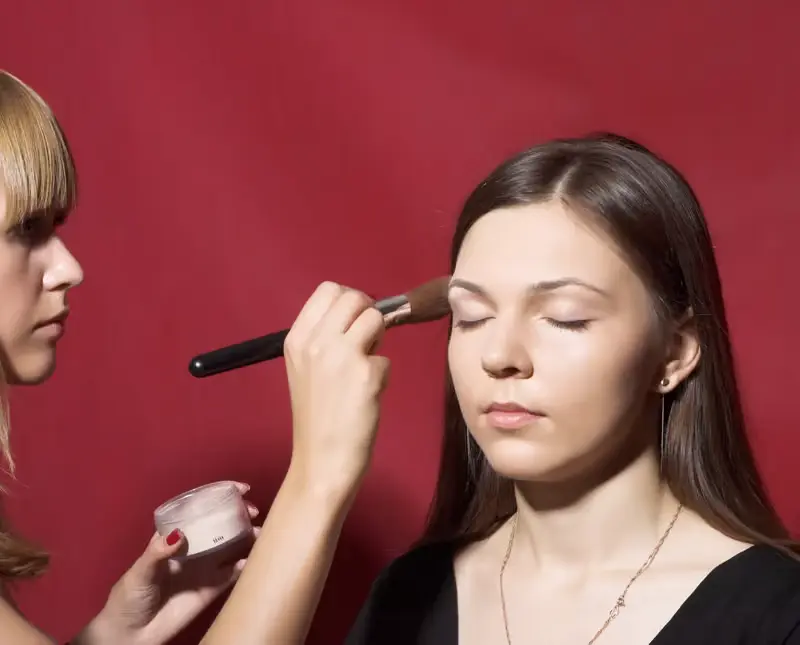

Professional makeup products must do more than deliver attractive colors. They need to provide strong pigment payoff, smooth application, reliable adhesion, and consistent performance under demanding conditions. These qualities are especially important in editorial photography, runway productions, theatrical performances, and creative beauty work. A highly pigmented product may appear impressive in its packaging but perform poorly when applied to the skin. It might become patchy, difficult to blend, or lose intensity after a short period. The formulation determines how effectively pigments interact with other ingredients and how the finished product behaves during application. Understanding this process helps makeup artists make better product choices and allows cosmetic developers to create formulas that meet professional expectations. High impact makeup techniques depend on the relationship between cosmetic science and artistic execution. Strong results require a careful balance of color intensity, texture, adhesion, stability, and skin compatibility.
Understand the Formulation Factors Behind Strong Color Payoff
Color payoff describes how strongly a cosmetic product displays its color when applied. It depends on several formulation factors, including pigment concentration, pigment quality, dispersion, and the ingredients used to support the formula. A product containing a high percentage of colorants may still deliver an uneven finish if those particles are not distributed properly.
Pigments provide color, while other ingredients influence how the product spreads, adheres, and feels on the skin. Fillers can affect texture and coverage. Binders help hold ingredients together and support adhesion. Oils, waxes, silicones, and polymers can influence application and wear. Each component has a specific purpose, and the final performance depends on how these ingredients work together.
Pigment dispersion is particularly important. Cosmetic colorants must be distributed evenly throughout the formulation. Poor dispersion can produce streaks, inconsistent shades, or visible patches. It may also affect how easily the product blends.
For professional applications, intensity should never be evaluated in isolation. Artists need a formula that provides strong color while remaining controllable. A product that deposits too much pigment immediately may be difficult to correct. A well-designed formula offers predictable payoff and allows the artist to build the desired effect.
Explore Pigment Technologies Used in Professional Cosmetics
The type of pigment used in a cosmetic product influences its appearance, coverage, and finish. Professional formulations may contain mineral pigments, synthetic colorants, and reflective materials. These ingredients allow manufacturers to develop products for different skin tones, application areas, and creative effects.
Mineral and Synthetic Pigment Systems
Mineral pigments such as iron oxides are widely used to create natural-looking shades, including reds, browns, yellows, and blacks. Titanium dioxide can contribute opacity and brightness in suitable cosmetic formulations. These materials help manufacturers develop complexion products and other cosmetics with controlled coverage.
Synthetic colorants offer additional possibilities for vibrant shades and specialized effects. They can support the development of intense blues, greens, purples, and other colors used in creative makeup. However, not every colorant is suitable for every cosmetic application. Its permitted use and concentration depend on the relevant safety requirements and intended area of application.
Manufacturers must also consider how pigments behave when combined. Some ingredients may change the appearance or stability of a formula. Testing helps identify suitable combinations and reduces the risk of unexpected color changes.
Pearlescent and Reflective Materials
Pearlescent pigments create visual effects through the reflection and interaction of light. Mica-based materials and coated particles are commonly used to produce shimmer, metallic, and luminous finishes. Their appearance depends on factors such as particle structure, size, coating, and orientation.
These materials are valuable in editorial and stage cosmetics because they can create dramatic highlights. However, reflective effects must be selected carefully. A fine shimmer may create subtle dimension, while larger reflective particles produce a more noticeable finish.
Manufacturers should use cosmetic-grade materials that are appropriate for the intended application. Products designed for the face or eye area require particular attention to ingredient suitability. Visual impact should never replace safety considerations.
Examine the Role of Particle Size and Surface Treatment
Particle size affects how cosmetic pigments look and feel when applied. Smaller particles can contribute to smoother-looking finishes and more uniform coverage, depending on the material and formulation. Larger particles may create stronger reflective effects or visible shimmer. Manufacturers select particle characteristics according to the desired finish.
A matte product requires different visual properties from a metallic or pearlescent formula. Fine particles can help create a more uniform appearance, while reflective particles can produce a noticeable interaction with light. The distribution of particle sizes also matters. An inconsistent mixture may create uneven application or an unpredictable finish.
Surface treatment provides another level of formulation control. Manufacturers may modify pigment surfaces to improve compatibility with oils, silicones, or other ingredients. This can support better dispersion and influence how the pigment interacts with the surrounding formula.
Poorly dispersed particles can create streaks, clumping, and inconsistent coverage. These problems become especially visible when artists apply bold shades across larger areas. Product developers therefore need to evaluate particle behavior during formulation rather than relying only on the appearance of the raw pigment.
The practical objective is to match pigment properties with the product’s intended purpose. A pressed eyeshadow, liquid body pigment, and cream foundation have different application requirements. Each needs a formulation that supports its expected texture and finish.
Compare Formulation Bases for Different Makeup Applications
The formulation base influences how a cosmetic spreads, blends, and remains on the skin. Different bases provide different benefits, so manufacturers must select ingredients according to the intended product format.
Water-Based and Emulsion Formulas
Water-based cosmetics can offer lightweight application and a comfortable feel. They are useful in certain liquid foundations, face paints, and other products that require easy spreading. However, water and oil do not naturally remain mixed. Emulsifiers help combine these phases and maintain a consistent structure.
Stabilizers and suitable thickening ingredients can also influence texture and product uniformity. The formulation must remain consistent during storage and use. If the emulsion separates, the product may become difficult to apply and deliver unpredictable results.
Products containing water also require an appropriate preservation system. This helps control microbial growth and supports product safety throughout the intended shelf life.
Oil-Based, Silicone-Based, and Anhydrous Products
Oil-based formulations can provide richness, flexibility, and smooth application. They are often useful in cream pigments, lip products, and certain theatrical cosmetics. Waxes can add structure and help create sticks or solid products.
Silicone-based ingredients can improve slip and contribute to a smooth application feel. They may also help create particular finishes and support the distribution of pigments. However, their compatibility with other ingredients must be assessed.
Anhydrous products contain little or no water. Examples include many powder products, balms, and certain sticks. These formulations can offer practical benefits, but they still require careful attention to oxidation, texture, contamination, and packaging.
The best base depends on the desired performance. A highly reflective liquid pigment requires different formulation characteristics from a matte pressed powder. Product developers should consider application method, skin feel, wear expectations, and removal requirements before selecting the base.
Investigate Binding Systems and Adhesion Performance
Strong pigment payoff is useful only when the product remains where it is intended to be. Binding systems help pigments adhere to the skin and maintain an even appearance. They also contribute to the product’s structure and application behavior.
Waxes, oils, silicones, and polymers can perform different binding and film-forming functions. Some ingredients help hold powder particles together in pressed cosmetics. Others support the formation of a flexible layer after application. Film-forming ingredients can improve resistance to transfer or wear, depending on the formula.
However, stronger adhesion does not automatically mean better performance. A formula that creates an excessively rigid film may feel uncomfortable or become difficult to blend. Too much binding material can also change the texture and reduce color intensity.
Professional formulations need a balance between adhesion and flexibility. The product should remain stable during normal movement without feeling unnecessarily heavy. This is particularly important around the eyes, lips, and other areas where facial movement can affect the makeup.
Testing under realistic conditions helps manufacturers assess performance. They can examine whether the product transfers, creases, fades, or becomes uneven over time. These observations help guide adjustments to the binding system.
Achieve High Intensity Without Compromising Blendability
One of the biggest challenges in professional cosmetics is delivering strong color without making application difficult. A highly concentrated pigment can create a dramatic result, but poor spreading behavior may produce hard edges or patchy coverage.
Formula viscosity plays an important role. A product that is too thick may drag across the skin, while one that is too fluid may spread beyond the intended area. The correct consistency depends on the product format and application technique.
Cosmetic developers should evaluate how the formula behaves during both initial application and layering. It should distribute evenly and allow the artist to control the final intensity. A buildable formula can be particularly useful because it supports gradual color development.
Application tools also influence the final result. Brushes may provide precision, while sponges can help distribute certain cream products. Fingers may be suitable for pressing some textures into the skin. Artists should select tools according to the formula rather than assuming one method works for every product.
Compatible primers can improve the application of some cosmetics, but product combinations should be tested. A primer and foundation that do not work well together may separate or create uneven texture. High impact makeup techniques become more reliable when artists understand both the product formulation and the surface on which they are applying it.
Formulate for Durability, Stability, and Performance
Professional makeup often needs to remain effective during long shoots, performances, and events. This makes stability and durability important parts of product development. A formula must maintain its intended color, texture, and application properties throughout its expected shelf life.
Oxidation can change the appearance of certain ingredients over time. Exposure to air, light, and heat may contribute to changes in color or texture. Packaging can help reduce exposure, but the formulation itself must also be designed with stability in mind.
Temperature can affect product consistency. Cream products may soften in warm conditions, while some formulas can become harder or less spreadable in cold environments. Manufacturers should assess how products respond to realistic storage and transportation conditions.
Preservation is another important consideration. Water-containing cosmetics need suitable preservation systems to help prevent microbial growth. Packaging compatibility and hygienic product handling also support quality.
Stability testing should examine several factors. These include color consistency, separation, odor, texture, packaging interaction, and performance over time. Wear testing can provide additional information about how the product behaves on the skin during normal use. A formula that performs well immediately after production may still require adjustments before it is ready for professional use.
Balance Product Safety With Professional Performance
Intense pigmentation should never come at the expense of consumer safety. Cosmetic ingredients must be suitable for their intended use, concentration, and application area. A pigment appropriate for certain face products may not be suitable for use around the eyes or lips.
Manufacturers should evaluate ingredient specifications and applicable cosmetic requirements. They must also consider possible irritation, sensitization, and other safety concerns. Products intended for sensitive application areas require particular care.
Ingredient transparency supports informed product selection. Clear labeling allows professional artists and consumers to review product information and identify ingredients that may not suit their needs. Reliable manufacturing controls help maintain consistency between production batches.
Quality assurance should cover raw materials, production processes, finished products, and packaging. Clean equipment and appropriate handling procedures help reduce contamination risks. These measures are important because professional products may be used repeatedly and in demanding environments.
Artists also have responsibilities. They should follow product instructions, maintain clean tools, avoid unsafe product sharing, and discontinue use when a product causes an unexpected reaction. A professional result is not successful if it compromises skin comfort or safety.
Apply Formulation Knowledge to Advanced Makeup Techniques
Understanding cosmetic formulation helps artists select products more strategically. Instead of choosing makeup only by shade or brand, they can evaluate pigment payoff, texture, adhesion, and finish according to the intended design.
Graphic eye makeup may require a formula that provides precise placement and strong color definition. Saturated lip looks need products that deliver even coverage while remaining comfortable during movement. Body makeup may require broader coverage and a formula that spreads consistently over larger areas. Theatrical designs often demand strong visibility under specific lighting conditions.
Artists should test products before using them in major productions. A small trial can reveal whether a pigment blends properly, whether a cream formula sets as expected, and whether different products work together. This reduces uncertainty during time-sensitive projects.
Combining formulas can also create specialized finishes. A matte base with a reflective accent may provide more dimension than using a single finish throughout the design. However, combinations should be tested for compatibility and wear.
Keeping records of successful products, application methods, and environmental conditions can improve consistency. Over time, artists develop a practical understanding of which formulations suit particular creative requirements. This knowledge makes product selection more efficient and helps turn high impact makeup techniques into repeatable professional results.
Conclusion
Intense professional makeup depends on much more than concentrated pigments. Particle technology, formulation bases, binding systems, and surface treatments all influence color payoff and application behavior. Stability testing and responsible ingredient selection help ensure that products remain reliable and suitable for their intended use. For makeup artists, understanding these factors makes it easier to choose products that match the demands of editorial, stage, and creative work. The strongest results combine visual intensity with blendability, comfort, and consistent performance. When cosmetic science supports artistic judgment, professional makeup can achieve bold effects without sacrificing control or quality.